### What are API endpoints and why are they important?
API endpoints act as communication gateways that allow different software applications to interact with each other. They're crucial because they manage HTTP requests and data transfer, enabling seamless communication between clients and servers. Well-designed endpoints are essential for modern websites and applications to function effectively.
### What are the different types of API endpoints?
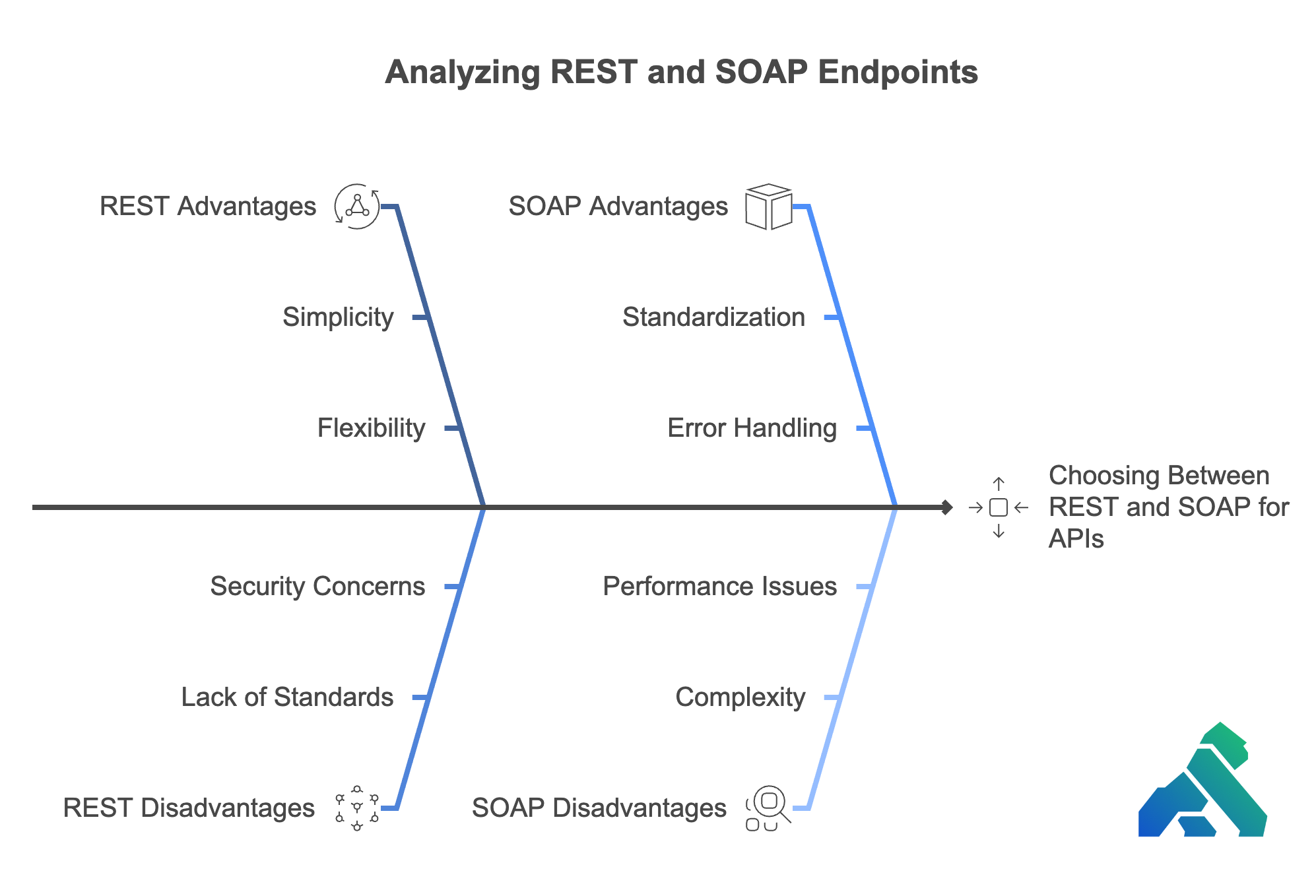
There are several main types of API endpoints, including RESTful, SOAP, and GraphQL endpoints. RESTful endpoints are known for their flexibility and popularity, SOAP endpoints offer robust security through WS-Security standards, and GraphQL endpoints allow precise data querying from a single endpoint. Each type has unique advantages depending on your project requirements.
### How can I secure my API endpoints?
Secure your API endpoints by implementing strong authentication and authorization mechanisms like OAuth or API keys, using SSL/TLS encryption for data transfer, and enforcing input validation. Additionally, implement rate limiting to prevent DDoS attacks, regularly update security measures, and monitor for suspicious activities.
### What are the best practices for API endpoint design?
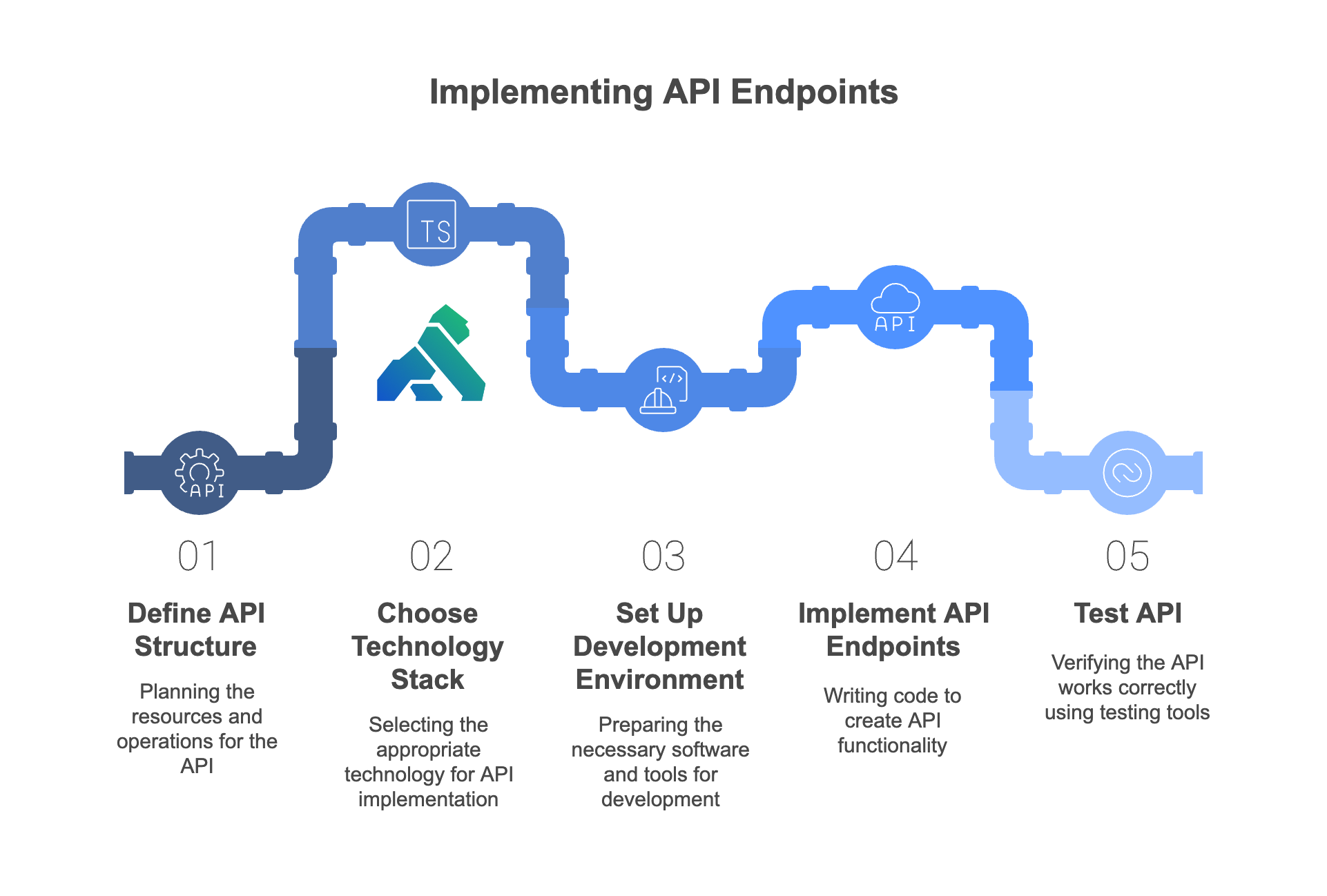
Follow clear naming conventions and maintain consistency across endpoints. Group endpoints logically by function, implement proper versioning in URLs, and keep the structure simple and intuitive. Document everything thoroughly and design with scalability in mind to ensure your API can grow without issues.
Optimize performance by implementing efficient caching strategies, using pagination for large data sets, and optimizing database queries. Consider horizontal scaling for high traffic, implement rate limiting to manage resource usage, and use load balancing to distribute traffic effectively across servers.
### How do I troubleshoot common API endpoint issues?
Address common issues by first checking connectivity problems through network diagnostics, verifying server configurations, and reviewing firewall settings. For data format errors, implement proper validation checks and data transformation processes. Regular monitoring and logging help identify and resolve issues quickly.
### What's the role of authentication and authorization in API endpoints?
Authentication verifies the identity of users or applications accessing the API, while authorization determines their access privileges. These security measures are typically implemented through tokens, API keys, or OAuth protocols to ensure only authorized users can access specific endpoint functionalities.
### How can I scale my API endpoints for high traffic?
Scale your API by implementing horizontal scaling across multiple servers, using load balancing techniques like round-robin or weighted distribution, and setting up proper rate limiting. Strengthen your infrastructure by optimizing database performance and implementing efficient caching strategies to handle increased traffic loads.
### What should I consider when implementing API endpoint monitoring?
Focus on monitoring key metrics like response times, error rates, and endpoint availability. Use monitoring tools that provide real-time alerts, performance dashboards, and detailed analytics. Regular monitoring helps identify potential issues before they impact users and ensures consistent API performance.