
# Turn events into action, natively in Kong Konnect
Kong Webhook Engine delivers every event to any destination — with the reliability of a platform you already govern.
## Take action on business events
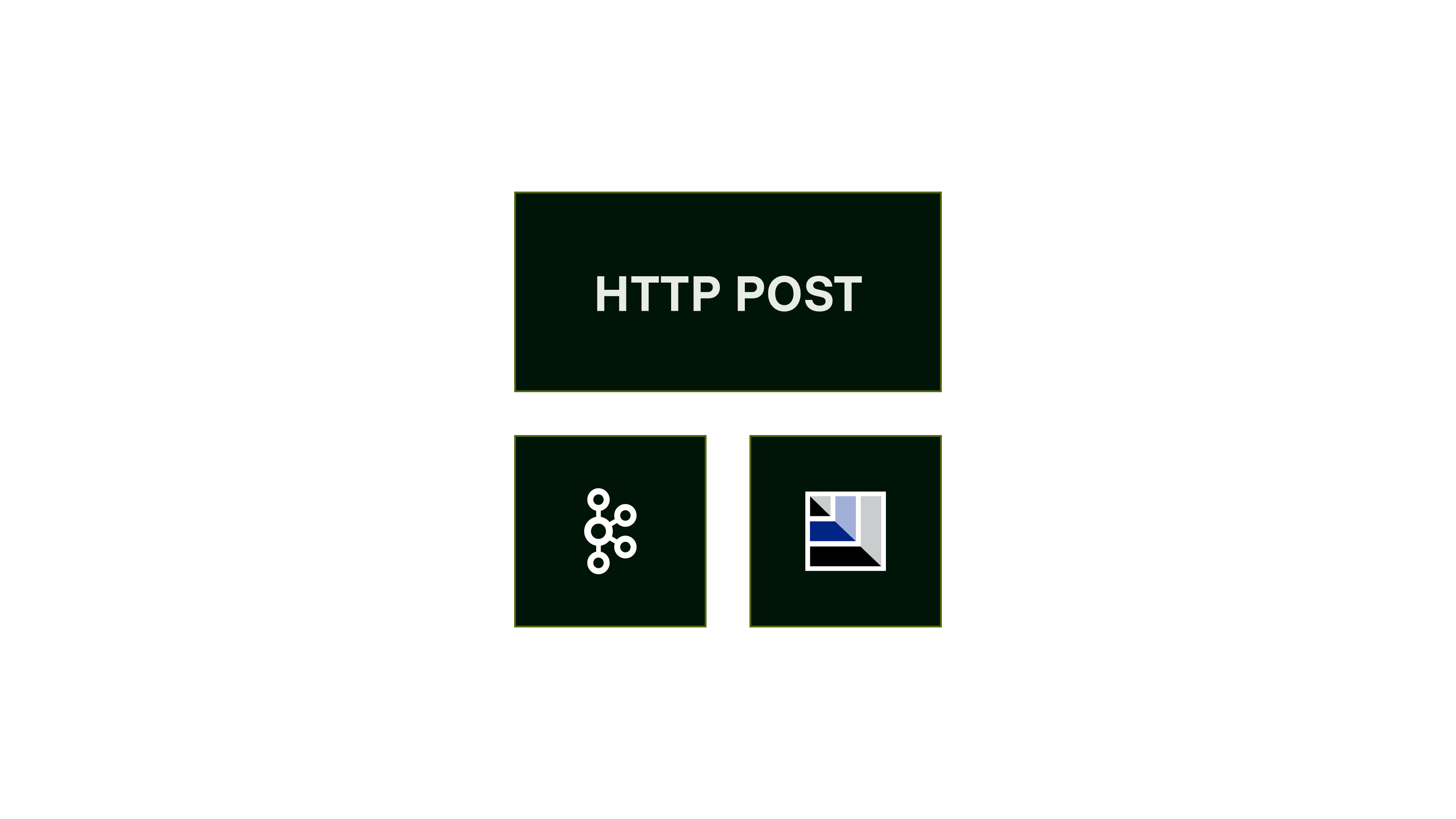
**Publish an event from a Kafka topic or an incoming HTTP POST that subscribed consumers can receive and act on.**
## One event, many destinations
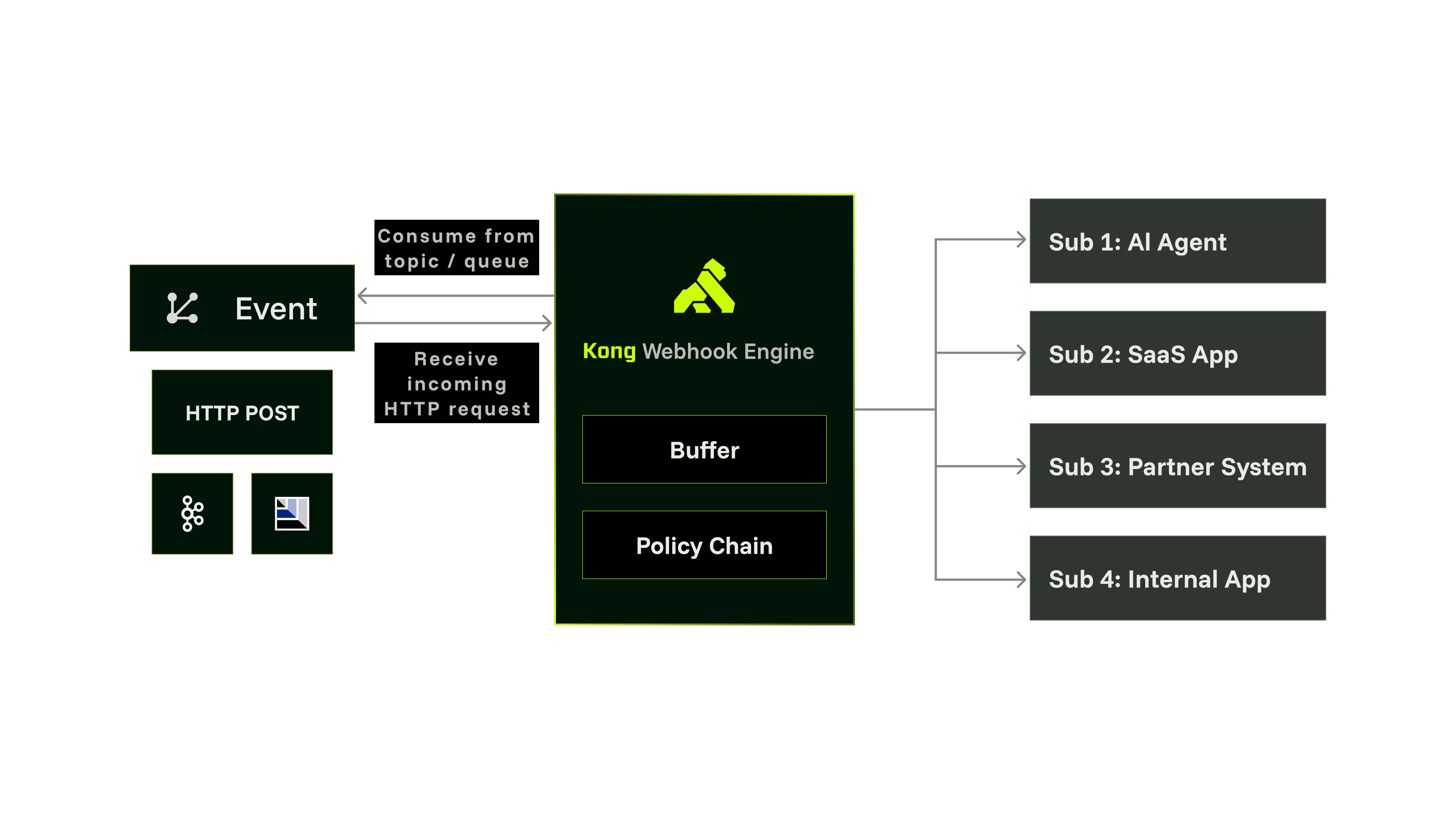
**One event — a new ticket, a completed order — can notify a Slack channel, update a system, and invoke an AI agent all at once. Configure it once, not per destination.**
## Reliable event delivery
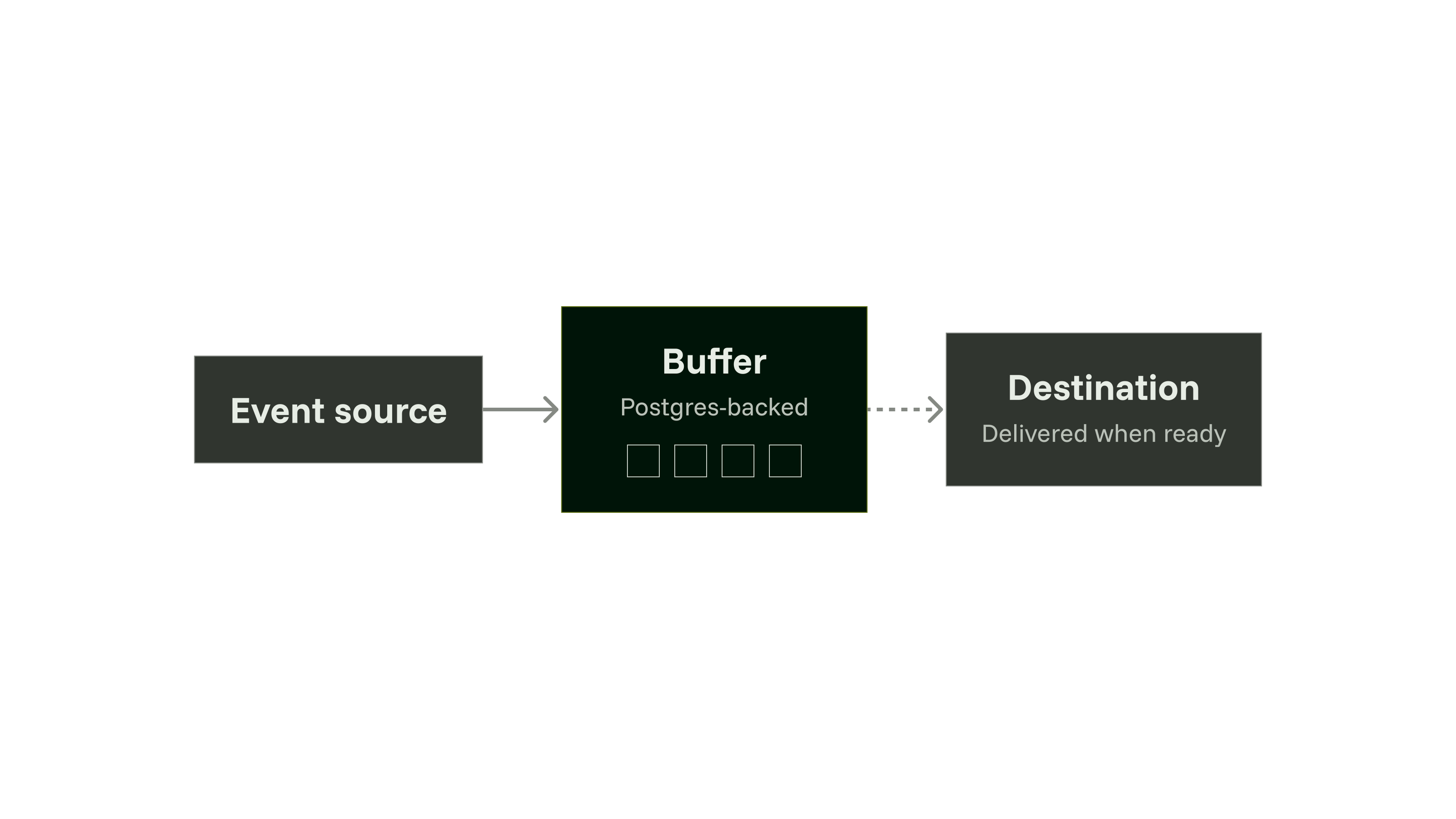
**No lost events during a downstream outage. Events wait safely until every target is ready to receive them.**
## Production-grade delivery
**Configurable, guaranteed retry behavior for event and agent workflows.**
## Consolidate integration onto the platform you already govern
Webhook Engine brings integration and API governance under one control plane.
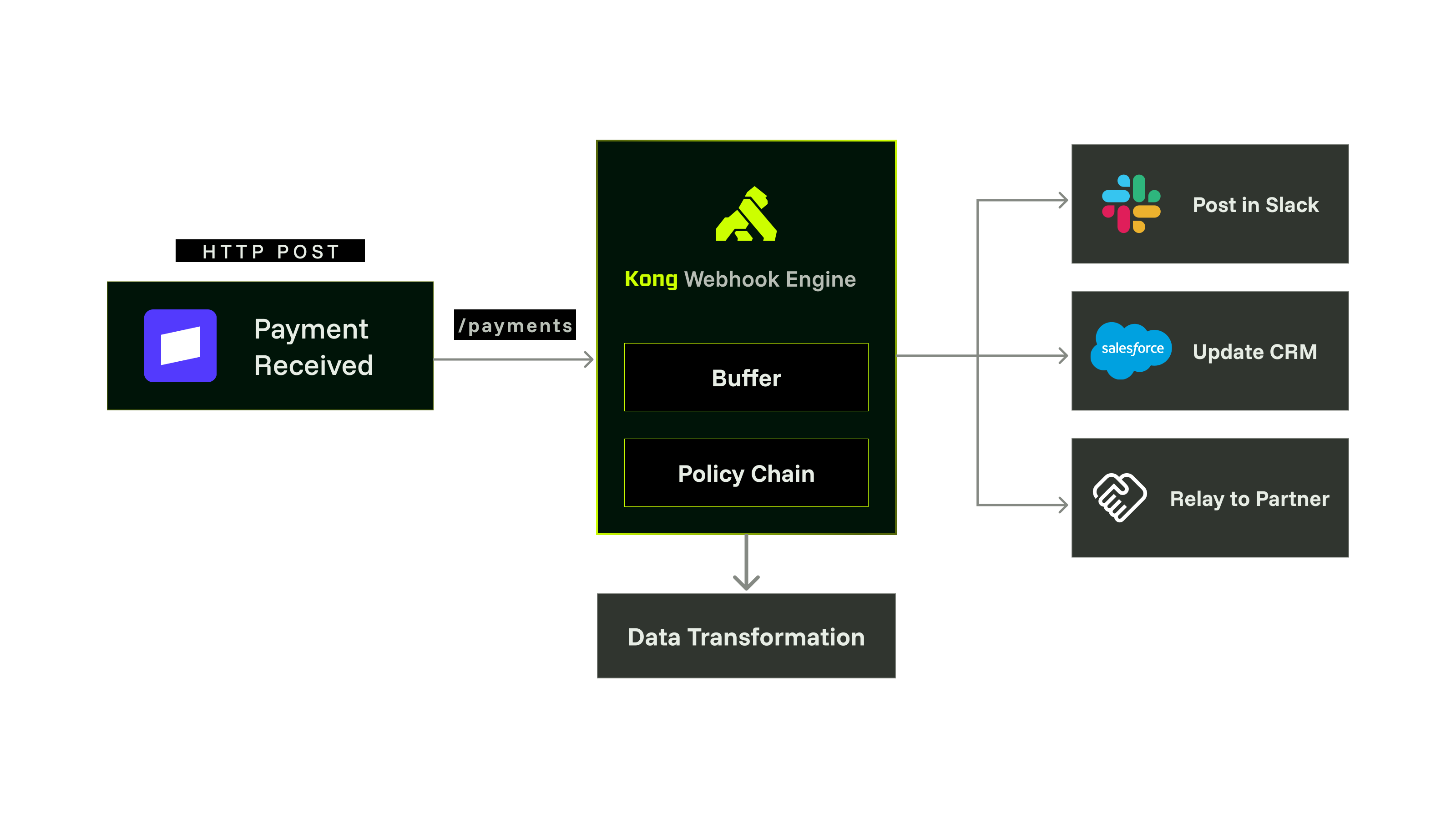
### Achieve simple integration use cases Konnect
Notification, sync, and fan-out use cases run at a fraction of the cost and complexity of a standalone integration platform.
### Right-size the platform to the workload
Not every integration needs a heavyweight iPaaS deployment. Easily move notification, sync, and delivery workloads onto Konnect. Configure fan-out delivery once — not per destination.
### Extend Event Management control to downstream action
When combined with Kong Event Gateway, Kong Webhook Engine becomes the connectivity layer that turns "something happened" into "an agent acted on it" reliably, and at scale.
## Build and govern agent reactivity
Agents need a dependable way for the business to call them.
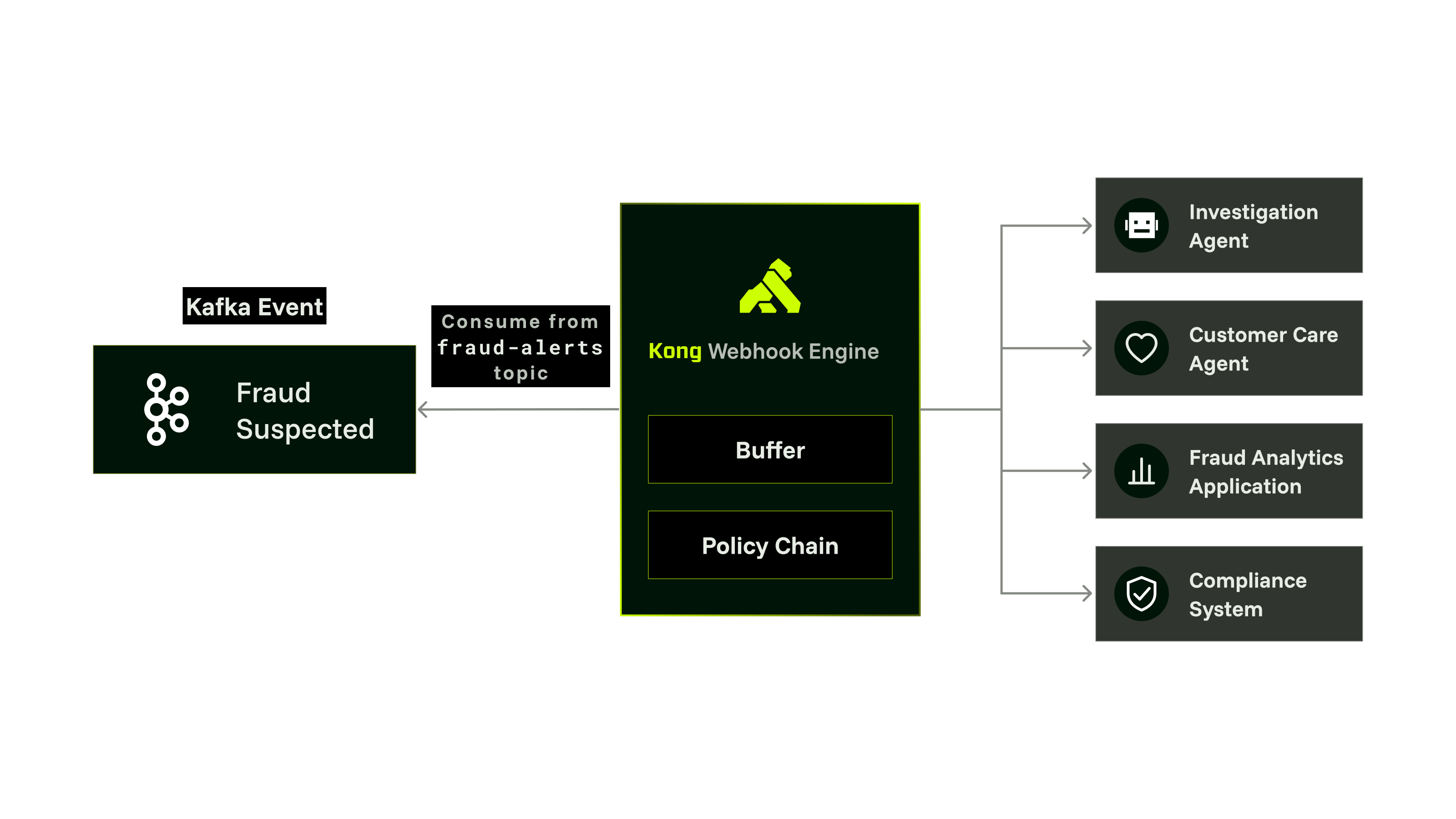
### Trigger agents from business events
- - A signup, a support ticket, a fraud signal, or Kafka topic activity can invoke an agent endpoint directly.
- - No brittle, hand-rolled glue code between events and agent action.
### Remove the integration glue
- - Turn Kafka events into HTTP invocations without building custom consumers.
- - Eliminate custom Kafka consumers for agent integrations.
- - Reduce reliance on Lambdas, cron jobs, and bridging services.
### Agent invocation governed like your APIs
- - No separate, ungoverned consumer layer to secure and monitor.
- - The same security, observability, and policy model you already use for APIs and events.
## Related products
### Kong Event Gateway
Secure, govern, and observe Kafka and event streams on the same control plane. Webhook Engine turns those governed events into action.
## Resources
## Frequently Asked Questions
Questions teams ask before wiring events to agents
What is Kong Webhook Engine?
Kong Webhook Engine is a native capability in Kong Konnect that turns business events into actions by delivering them to applications that have subscribed to them. It brings event delivery and application integration under the same control plane as your API governance.
What event sources does Kong Webhook Engine support?
Kong Webhook Engine can ingest Kafka topics and HTTP POST events. Subscribed consumers can then receive those events and act on them, supporting workflows such as notifications, system updates, and agent invocation.
Can one event trigger actions in multiple destinations?
Yes. Kong Webhook Engine supports fan-out delivery, so one event—such as a completed order or a new support ticket—can notify a Slack channel, update a system, and invoke an AI agent. You configure policies for fan-out delivery for each destination.
What happens if a destination is unavailable?
Kong Webhook Engine uses durable buffering to keep events safe during downstream outages until their targets are ready to receive them. It also provides configurable retry behavior for event and agent workflows, helping make delivery reliable when destinations are temporarily unavailable.
Can Kong Webhook Engine trigger AI agents?
Yes. Business events such as signups, support tickets, fraud signals, or Kafka topic activity can trigger an agent. Webhook Engine turns Kafka events into HTTP invocations without requiring custom Kafka consumers, reducing reliance on Lambdas, cron jobs, and bridging services.
How does Kong Webhook Engine support governance?
Kong Webhook Engine extends the security, observability, and policy model used for APIs and events to downstream delivery and agent invocation. This brings integration and API governance together in Konnect, avoiding a separate, ungoverned consumer layer to secure and monitor.
How does Kong Webhook Engine work with Kong Event Gateway and Kong AI Gateway?
Kong Event Gateway secures, governs, and observes traffic to Kafka and other supported event streams, while Webhook Engine turns those governed events into downstream actions. For agent workflows, Webhook Engine triggers the agents, while Kong AI Gateway governs LLM, MCP, and agent-to-agent traffic.
When should I use Kong Webhook Engine instead of a standalone integration platform?
Kong Webhook Engine is designed for notification, synchronization, and fan-out delivery workloads that do not need a heavyweight integration platform as a service (iPaaS) deployment. It lets you consolidate those use cases onto Konnect with less cost and complexity than a standalone integration platform.